President Donald Trump said his administration is examining a series of deaths and disappearances involving scientists tied to sensitive research fields, as officials face growing questions about whether the incidents are connected.
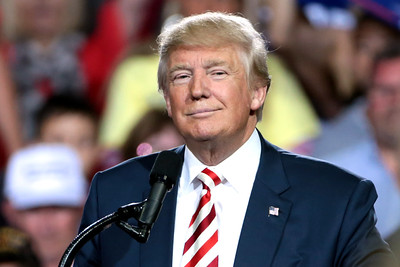
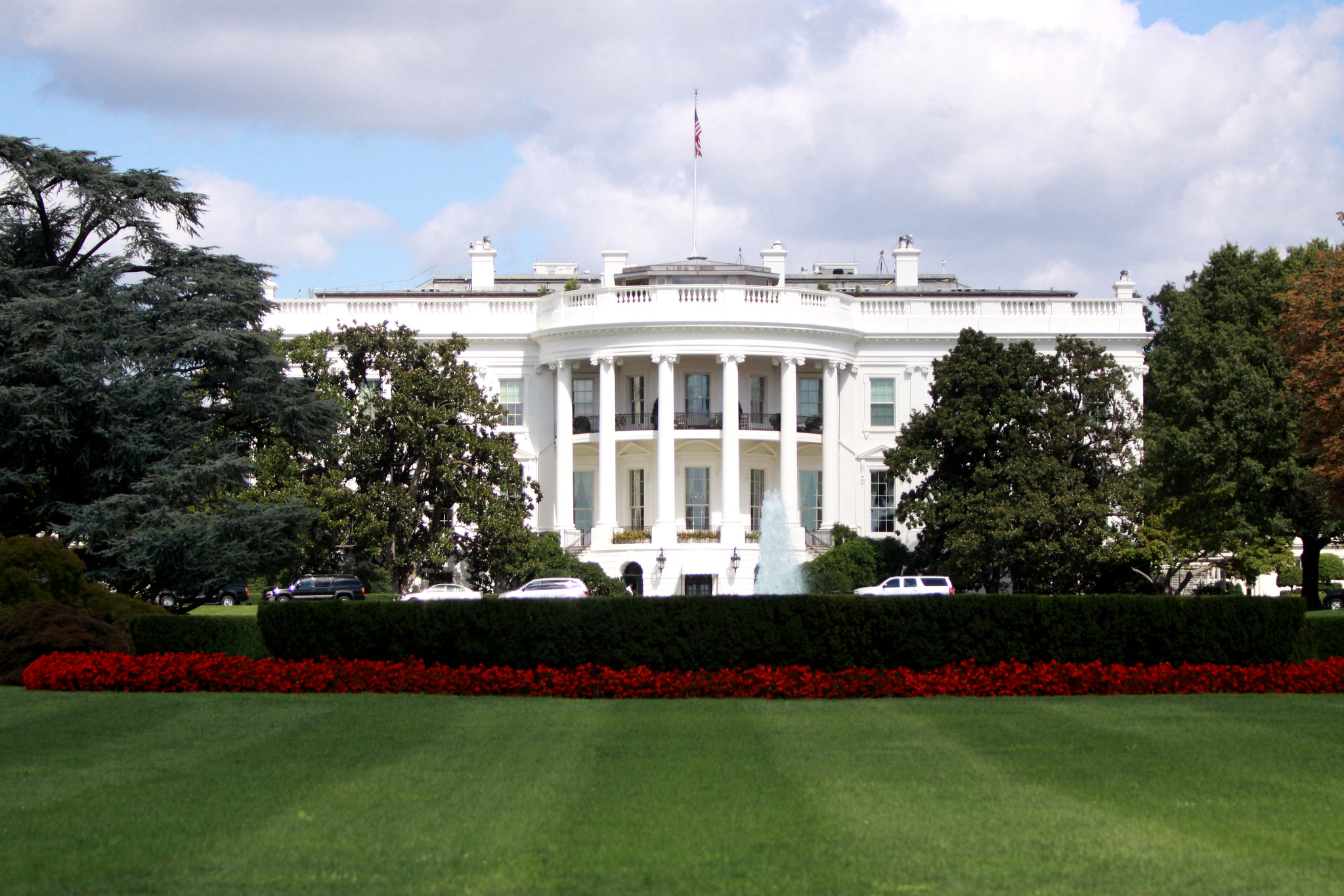
“Well, I hope it is random, but we are going to know in the next week and a half,” Trump said Thursday after landing at the White House.
“I just left a meeting on that subject, so pretty serious stuff. Hopefully, coincidence… but some of them were very important people, and we are going to look at it.”
The president’s comments came after being asked whether the cases were isolated or part of a broader pattern involving scientists working in high-level government or defense-related roles.
BREAKING: President Trump vows to look into the 10 scientists who have gone missing or turned up dead:
"I hope it's random, but we're going to know in the next week and a half."
"I just left a meeting on that subject."
"Pretty serious stuff… Some of them were very important… pic.twitter.com/VMgeZyayXl
— Fox News (@FoxNews) April 16, 2026
White House press secretary Karoline Leavitt earlier said the administration had not yet formally reviewed the matter but indicated that could change.
“I haven’t spoken to our relevant agencies about it. I will certainly do that, and we’ll get you an answer,” Leavitt said.
“If true, of course, that’s definitely something I think this government and its administration would deem worth looking into. So let me do that for you.”
PETER DOOCY: “There are now 10 American scientists who have either gone missing or died since mid 2024. They all reportedly had access to classified nuclear or aerospace material. Is anybody investigating this to see if these things are connected?”
KAROLINE LEAVITT: “I’ve seen… pic.twitter.com/CCqhmwQx7D
— Fox News (@FoxNews) April 15, 2026
The incidents span several years and involve at least ten individuals connected to fields such as space research, nuclear science and aerospace programs.
Some of those cases have drawn attention due to the circumstances surrounding the deaths or disappearances, which in several instances occurred without clear explanations.
The situation gained renewed focus after the disappearance of retired Air Force General William Neil McCasland on February 27.
🎇Honor America’s 250th Anniversary!!!🎇 Get your 2026 Heritage Foundation commemorative membership card ➡️➡️➡️ ACTIVATE YOUR MEMBERSHIP NOW!!! 🇺🇸🇺🇸🇺🇸
McCasland was last seen leaving his New Mexico home without his phone, wearable devices or glasses, carrying only a pistol. His wife told 911 dispatchers it appeared he was trying “not to be found.”
Investigators have noted similarities between McCasland’s case and four other disappearances that took place between May and August 2025 in the Southwest.
All four individuals had professional ties to McCasland through his role overseeing the Air Force Research Laboratory at Wright-Patterson Air Force Base.
That facility has long been associated with advanced research programs, including work tied to aerospace systems.
While leading the lab, McCasland also oversaw funding connected to scientist Monica Jacinto Reza’s work on a material designed for rocket engines.
Reza, 60, disappeared while hiking in California on June 22 of last year. She had recently been named director of the Materials Processing Group at NASA’s Jet Propulsion Laboratory.
Other missing individuals include Steven Garcia, who vanished on August 28 after leaving his Albuquerque home on foot carrying a handgun.
Garcia worked at the Kansas City National Security Campus, which produces nonnuclear components used in nuclear weapons.
🚨 NOW: Mass calls for investigations are ramping up after nearly a DOZEN of America's top scientists either died or disappeared with few answers
The scientists happen to be tied to "critical secrets."
"This has the hallmarks of a FOREIGN OPERATION."
This is insane. 🤯
"These… pic.twitter.com/rygr0QmDZ3
— Eric Daugherty (@EricLDaugh) April 16, 2026
Anthony Chavez and Melissa Casias, both linked to Los Alamos National Laboratory, also disappeared under similar circumstances.
Chavez, 79, had previously worked at the lab before retiring, while Casias, 54, was employed there as an administrative assistant and was believed to have held security clearance.
Several of the disappearances involved individuals leaving their homes without personal belongings such as phones or keys.
Rep. Tim Burchett (R-Tenn.) said he believes the cases deserve closer scrutiny.
“There have been several others throughout the country that have disappeared under suspicious circumstances,” Burchett said. “I think we ought to be paying attention to it.”
“The numbers seem very high in these certain areas of research,” he added. “I think we’d better be paying attention, and I don’t think we should trust our government.”
“Everybody’s talking about the UFO stuff,” Burchett said. “Those folks are very secretive about what they know. So I suspect very much that [McCasland] was involved in some of that.”
In addition to the disappearances, several scientists working in key research areas have died in recent years.
Nuclear physicist Nuno Loureiro and astrophysicist Carl Grillmair were both shot to death in their homes.
NASA scientists Michael David Hicks and Frank Maiwald, both associated with the Jet Propulsion Laboratory, also died under circumstances that were not publicly detailed.
Maiwald, 61, had been leading research related to identifying signs of life on other planets before his death in 2024.
Hicks had previously worked on NASA’s DART project, which tested the ability to redirect asteroids away from Earth.
Another case involved Jason Thomas, a pharmaceutical researcher working on cancer treatments, who was found dead in a Massachusetts lake after disappearing months earlier. Authorities said no foul play was suspected.
The cases have drawn attention from observers tracking the incidents, including questions about whether the individuals’ work in sensitive fields could be relevant.
Federal officials have not publicly indicated that the cases are connected, and no overarching explanation has been confirmed.
“If true, of course, that’s definitely something I think this government and its administration would deem worth looking into,” Leavitt said.