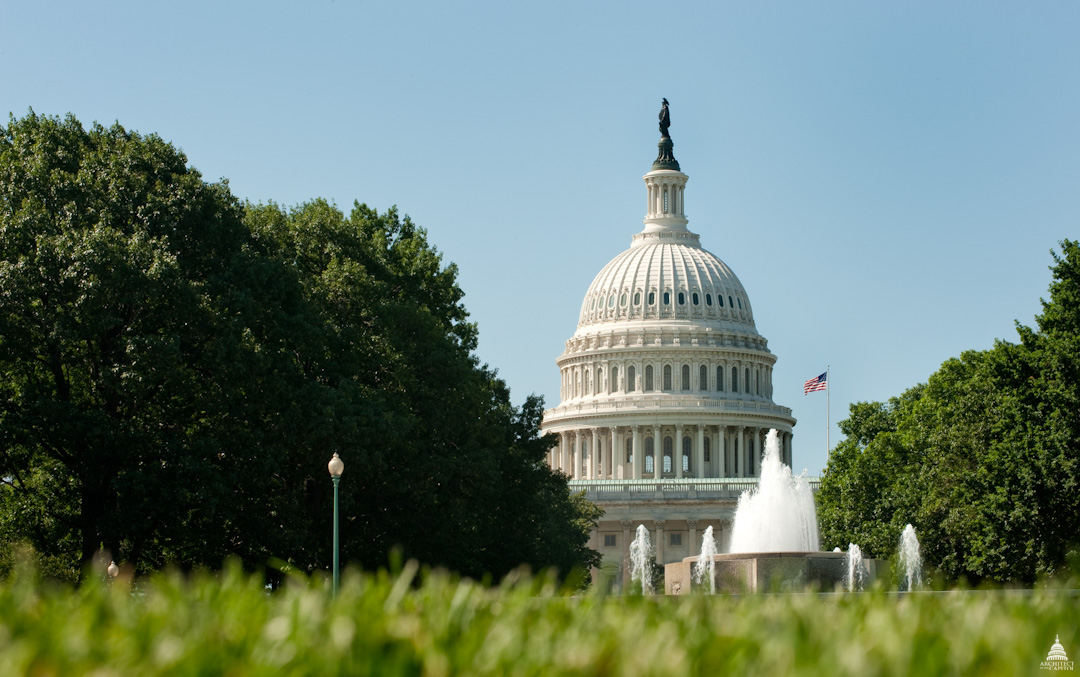
The Senate gave the NCAA a major boost Monday, approving a college sports overhaul that would put Washington behind new rules for athlete money, transfers and the court fights rattling campuses nationwide.
The measure passed 77-22 with support from both parties, marking Congress’ most forceful attempt yet to settle the name, image and likeness era with one federal standard.
Sen. Ted Cruz (R-TX), who chairs the Senate Commerce Committee, and Sen. Maria Cantwell (D-WA), the committee’s ranking member, drove the years-long effort through the chamber.
“It would be nice if college sports could somehow magically fix itself, but this is a matter of law, federal law, and only Congress can fix it,” Cruz said.
Today is a monumental day for college athletics.
The United States Senate voted to protect the hundreds of thousands of student athletes currently competing in college sports, the millions who will follow in their footsteps, and every college sports fan who wants to preserve… pic.twitter.com/2ysTFfEjRH
— Senator Ted Cruz (@SenTedCruz) September 29, 2026
The House remains the bill’s next obstacle after its own college sports proposal repeatedly stalled over the past year. Lawmakers there are in recess until after the November elections, and failure to finish the bill by year’s end would send Congress back to square one.
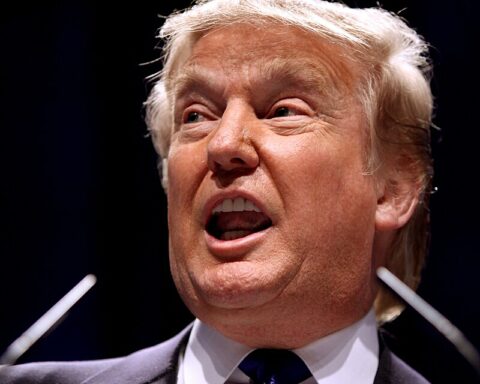
President Donald Trump has taken an interest in the legislation, and the White House gave it a formal endorsement last month.
Cruz wants House Speaker Mike Johnson (R-LA) to reconvene the chamber, pass the bill quickly and send it to Trump before the midterms.
😷 Hold Anthony Fauci accountable for the Wuhan lab, the COVID cover-up, and the questions he refused to answer. 😷 Help Freedom Watch take the fight to federal court! ➡️➡️➡️ DONATE NOW!!! 🇺🇸🇺🇸🇺🇸
“I believe the speaker will call the House back and pass this bill, and the House could pass the bill in a day,” Cruz told Semafor on Monday. “I believe the speaker will do that, and I urge President Trump to sign the bill on the set of College Game Day at a game this fall.”
Supporters are selling the Protect College Sports Act as a reset for an industry thrown into turmoil after a 2025 lawsuit settlement allowed colleges to pay athletes directly and helped push some football roster payrolls past $40 million.
The Senate plan would put that settlement into federal law while giving the NCAA limited protection from antitrust claims as it polices the new structure.
Money sits at the center of the fight, with schools allowed to distribute up to $21.5 million in revenue to athletes under the existing cap while some programs could use a retention fund to add as much as $27.5 million more.
That added pool helped secure backing from the Big Ten and Southeastern Conference, and the bill would also let schools and conferences combine television media rights to raise more cash.
Player movement would face new limits as athletes would generally be allowed one “free” transfer across five years without having to sit out a season, with exceptions, while total eligibility would be capped at five years.
Coaches could not leave their schools during the season, schools changing conferences would have to spend three years as independents and conferences would be limited to 20 programs after Sen. Ashley Moody (R-FL) won a late change from the original 19-team cap.
The Monday vote was pushed back for hours while senators worked through Moody’s amendment and other adopted provisions, including foreign financing disclosures and language making it easier for athletes to sue over sexual assault.
Supporters also point to health insurance guarantees, scholarship protections, limits on agent fees and requirements that schools preserve a minimum number of sports and roster spots.
Those roster rules are aimed at keeping women’s and Olympic sports from being sacrificed as football, basketball and other revenue drivers absorb more money.
Opponents say the proposal gives the NCAA, conferences and schools too much legal cover while athletes still have too little control.
Sen. Chris Murphy (D-CT), who worked with labor and civil rights groups against the bill, argued that it protects institutions already found by courts to have broken the law.
“What this bill does at its core is to protect a system of exploitation,” Murphy remarked. “Over and over again, courts have determined that colleges and the NCAA and conferences are violating the law.”
Murphy also objected last week that the bill limits athletes’ slice of revenue while leaving coaches’ pay and athletic donations untouched.
His College Athlete Right to Organize Act amendment would have treated compensated college athletes as school employees and protected their ability to collectively bargain.
Cruz accused Murphy of trying to turn college sports into endless litigation and a path to union dues for Democrats.
“Chris Murphy is running for president, so the only thing he cares about is making every trial lawyer in America happy,” Cruz stated. “He wants every college to be sued nonstop. He wants no rules whatsoever. He wants every college athlete turned into an employee and a union member to give union dues to Democrats.”
Cruz said Murphy’s alternative had little traction in the Senate.
“But the good news is Chris Murphy has almost no support for his position because yesterday Chris got 24 votes out of 100,” Cruz said. “He didn’t even get a majority of Democrats to agree with him.”
Sen. Cory Booker (D-NJ), a former Stanford football player, opposed the bill and pointed to the “outsized role” Black athletes play in college sports.
Booker argued that athletes only started gaining leverage through courtroom wins before the NCAA came to Congress seeking sweeping authority and antitrust exemptions.
“We know who this bill is protecting,” Booker said.
The Senate’s three other Black Democrats, Sen. Raphael Warnock (D-GA), Sen. Lisa Blunt Rochester (D-DE) and Sen. Angela Alsobrooks (D-MD), also opposed the measure.
Lobbyists spent at least $31 million on college athletics issues, including work tied to the bill, with 36 members of the NCAA’s four most powerful conferences and more than 60 colleges involved, according to OpenSecrets.
Notre Dame, Ohio State and Western Michigan University were among the schools that spent heavily pushing the legislation, according to OpenSecrets.
Before final passage, the bill had cleared a 74-24 filibuster vote on Sept. 15 and another procedural vote Thursday.
Cruz cast the final fight as a choice between congressional action now and more lost teams, roster spots and scholarships later.
“This is what is at stake,” Cruz said. “If Congress doesn’t act, we’re going to keep seeing programs canceled, roster spots eliminated, scholarships lost, and women’s and Olympic sports put at risk.”