

A Supreme Court ruling that limits how race can be considered in drawing congressional districts set off a wave of reaction across Washington, with Democrats warning it weakens voter protections and Republicans calling it a major victory.
The decision, handed down in a 6-3 vote, allows states greater latitude to draw districts without relying on race, a shift that could reshape maps nationwide.
Former President Barack Obama criticized the ruling in a post on X, arguing it undercuts longstanding protections tied to the Voting Rights Act.
“Today’s Supreme Court decision effectively guts a key pillar of the Voting Rights Act, freeing state legislatures to gerrymander legislative districts to systematically dilute and weaken the voting power of racial minorities – so long as they do it under the guise of ‘partisanship’ rather than explicit ‘racial bias,’” Obama wrote.
Today’s Supreme Court decision effectively guts a key pillar of the Voting Rights Act, freeing state legislatures to gerrymander legislative districts to systematically dilute and weaken the voting power of racial minorities – so long as they do it under the guise of…
— Barack Obama (@BarackObama) April 29, 2026
“And it serves as just one more example of how a majority of the current Court seems intent on abandoning its vital role in ensuring equal participation in our democracy and protecting the rights of minority groups against majority overreach.”
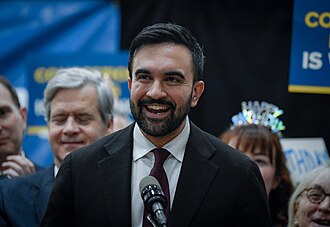
Other Democrats echoed that criticism. New York City Mayor Zohran Mamdani warned the ruling could affect millions of voters.
“Today’s Supreme Court decision is a direct assault on the promise of the Voting Rights Act,” Mamdani tweeted.
“It risks disenfranchising millions of Americans along racial lines and weakening the very foundation of our democracy.”
🪖Nine battle-tested candidates are ready to strike a decisive blow — but only if they get the support they need right now. 🪖 Join the grassroots push to protect the House Majority and back them today! ➡️➡️➡️ Make a 9X impact!!! 🇺🇸🇺🇸🇺🇸
Former Vice President Kamala Harris framed the ruling in similar terms.
“Today’s Supreme Court ruling guts the Voting Rights Act and turns back the clock on the foundational promise of equality and fairness in our election systems,” Harris penned.
Today’s Supreme Court ruling guts the Voting Rights Act and turns back the clock on the foundational promise of equality and fairness in our election systems.
Section 2 of the Voting Rights Act was one of the last remaining federal protections for Black and brown voters against…
— Kamala Harris (@KamalaHarris) April 29, 2026
“Section 2 of the Voting Rights Act was one of the last remaining federal protections for Black and brown voters against maps deliberately drawn to dilute their political power. That protection has been stripped away.”
Illinois Gov. JB Pritzker also blasted the decision, calling it an “abomination” during a press conference.
“It is an attack on a crown jewel of our democracy,” Pritzker stated. “We’re not going to stand for it in Illinois. We’re going to push back. We have options for pushing back.”
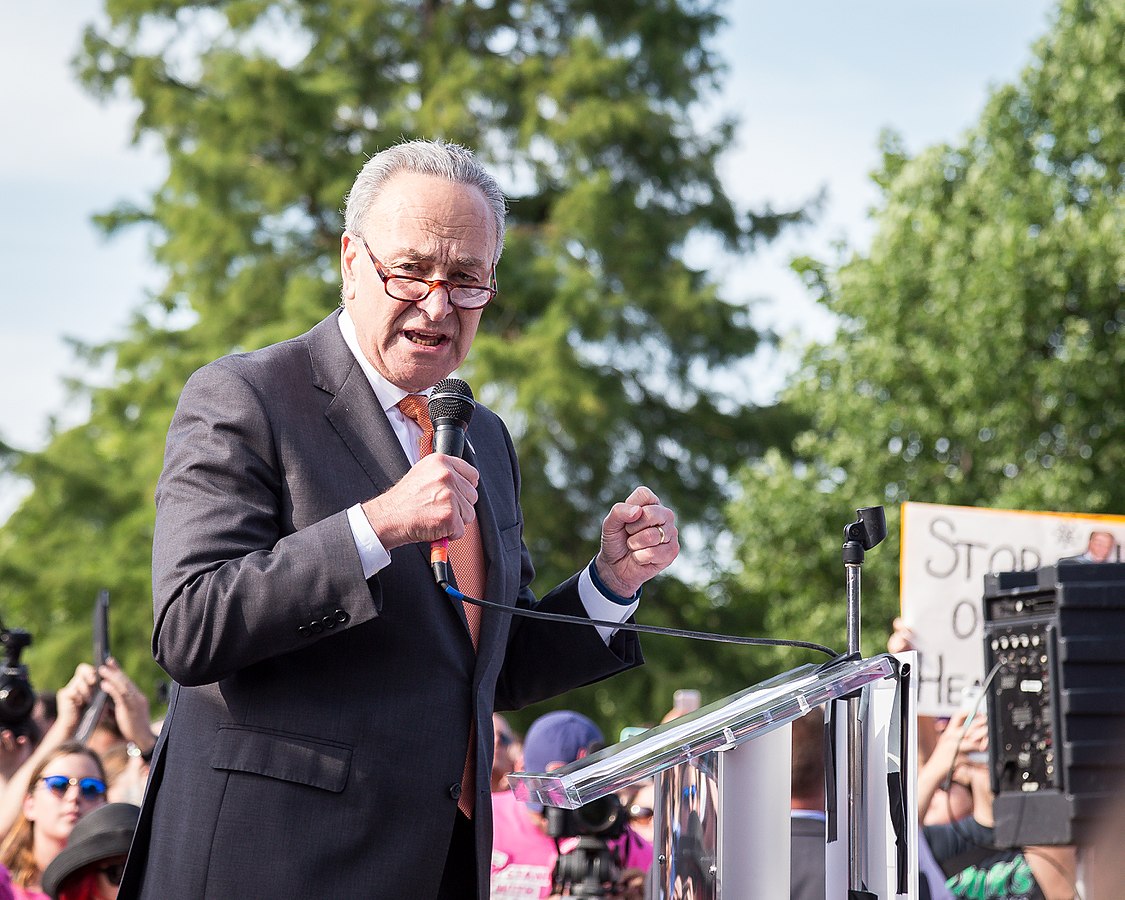
Senate Democratic Leader Chuck Schumer criticized the ruling on the Senate floor, saying it could shift the balance of power in Congress.
“The consequence is as clear as it is dangerous: fewer protections for voters, more power for politicians to draw maps that silence them, particularly voters historically disenfranchised,” Schumer began.
He argued the decision could allow Republican-controlled legislatures to redraw maps in their favor.
“By some estimates, this decision could lead conservative state legislatures to draw as many as 19 additional seats that favor Republicans in the House,” Schumer said. “So, far from being a narrow decision, this MAGA court is trying to give Republicans a leg up.”
Republicans were thrilled about the ruling. Louisiana Gov. Jeff Landry said the decision confirms that drawing districts along political lines is a state issue, not a federal civil rights violation.
“The Supreme Court has affirmed what we have said for years: drawing districts for political reasons is the States’ prerogative, not a federal civil-rights violation,” Landry posted. “Federal judges cannot force a State to engage in race-based redistricting.”
Florida Gov. Ron DeSantis pointed to implications in his own state, where lawmakers recently advanced a new congressional map.
“The decision implicates a district in FL — the legal infirmities of which have been corrected in the newly-drawn map,” DeSantis wrote on X.
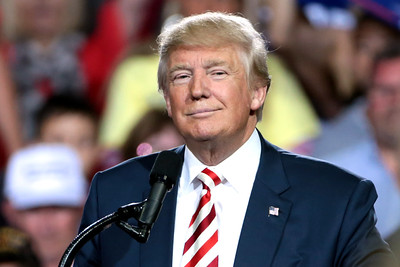
President Donald Trump praised the ruling and the justice who authored it.
“Today’s 6-3 Supreme Court decision in the Callais case is a BIG WIN for Equal Protection under the Law,” Trump wrote on Truth Social. “Thank you to brilliant Justice Samuel Alito for authoring this important and appropriate Opinion.”
Speaking with reporters in the Oval Office, Trump said he had not yet reviewed the ruling before weighing in.
“When did it come out?” he asked. “Tell me about the ruling? What happened?”
After being told it could lead to more Republican-leaning districts, Trump responded.
“That’s good,” he said. “That’s the kind of ruling I like.”
When asked again about the decision, Trump pressed for more details.
“Was it considered a win for who?” he asked.
When told it favored Republicans, he replied, “I love it.”
“We can end this news conference right now. I want to read it. Wow,” Trump added.
The ruling stems from a dispute over Louisiana’s congressional map, which included two majority-Black districts.
The Court allowed a lower court decision to stand, finding that drawing districts based on race in that case violated constitutional protections.
The decision also builds on earlier rulings that have narrowed the scope of the Voting Rights Act, including the 2013 Shelby County v. Holder case, which removed federal preclearance requirements for certain jurisdictions.
The latest decision further limits how Section 2 of the law can be applied, reshaping how challenges to district maps are likely to be argued going forward.
States are now expected to revisit existing maps, with legal battles likely to follow as both parties test the boundaries of the ruling.




Former President Barack Obama criticized the ruling in a post on X, arguing it undercuts longstanding protections tied to the Voting Rights Act. This POS and others in his Dem / Commie party has been using that law for years to cheat in voting in the southern states